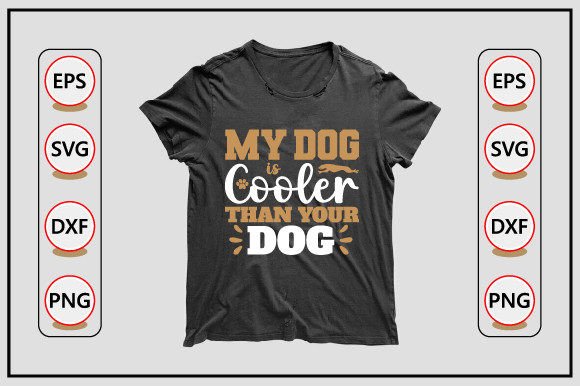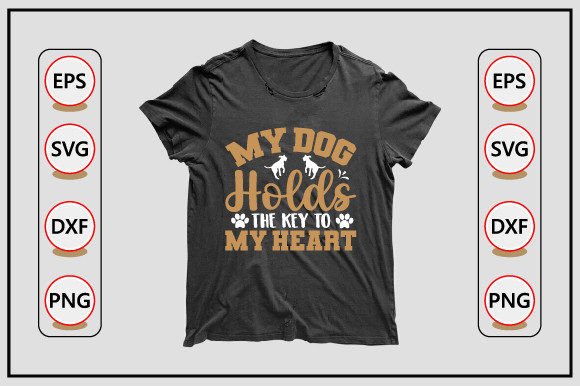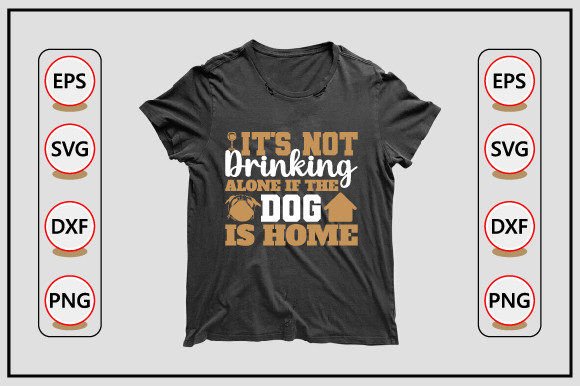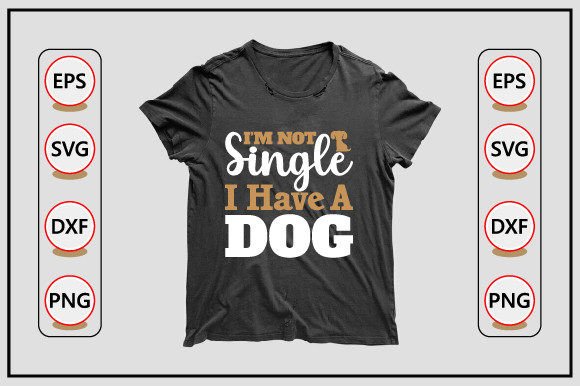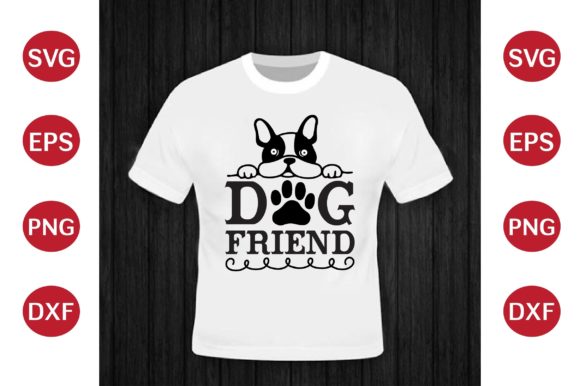
Dog SVG Design Dog Friend
As a designer who’s stitched hundreds of custom embroidery projects—from boutique baby onesies to Etsy best-selling tote bags—I opened Dog SVG Design Dog Friend expecting something cheerful and approachable. What I found was a clean, friendly silhouette with gentle curves, balanced negative space, and a subtle nod to personality—not overly cartoonish, not stiffly technical. It lands right where it should: warm enough for a handmade baby blanket, crisp enough for a small-batch apron line, and versatile enough to scale across sweatshirt fronts and embroidered patches without losing charm.
First Impressions: A Design That Breathes
The moment you unzip the folder—SVG, EPS, DXF, PNG—you’re greeted with a single, cohesive shape: a stylized dog face, slightly tilted, with soft ears and an open, inviting expression. No excessive linework. No tiny decorative flourishes that vanish under thread. This isn’t a “busy” design—it’s intentionally restrained. That restraint is its strength. In embroidery, less often means *more* clarity, especially at smaller sizes or on textured fabrics like terry cloth or canvas.
I immediately pictured it stitched onto a natural linen tea towel for a local pet-friendly café pop-up. The shape holds up in monochrome, reads well at 3.5 inches wide, and doesn’t demand dense fill stitches or complex satin borders. It feels like a design asset, not just a graphic—it supports your brand voice instead of shouting over it.
Real-World Embroidery Performance
Last week, I tested Dog SVG Design Dog Friend on three very different real projects: a medium-weight cotton sweatshirt (for a small shop’s holiday collection), a lightweight baby bodysuit (for a personalized gift), and a twill patch intended for sew-on application. Here’s how it held up:
- Sweatshirt embroidery: With tear-away stabilizer and 40-weight polyester thread, the design stitched cleanly—even across the slight ridge of the shoulder seam. No puckering. The open areas between ear and head gave breathing room for fabric movement.
- Baby embroidery: On the bodysuit, I reduced the size to 2.75". Used cut-away stabilizer + topping. The outline remained distinct, no thread nesting in the corners. Parents appreciate simplicity on delicate items—and this delivers.
- Embroidered patch: As a standalone patch, the clean edges made heat-seal or sew-on application straightforward. No stray vector points or overlapping paths to cause stitch errors in the machine embroidery design file.
It’s also worked well as a custom apparel accent—think left-chest placement on unisex tees or centered on the back of a denim jacket. Because it’s not symmetrical in a rigid way, it avoids looking static or clip-art-like. That subtle tilt adds motion, making it feel hand-drawn rather than algorithm-generated.
Where to Use It Thoughtfully
This isn’t a one-size-fits-all embroidery file—and that’s a good thing. Its strengths shine when matched to the right context. But there are places where extra attention pays off:
- Small hoop sizes: Below 2.25", some softness in the ear curve starts to blur. Test first on scrap if planning sub-2" applications—especially for caps or curved surfaces.
- Textured or stretchy fabric: Works fine on jersey *with proper stabilizer*, but avoid placing it directly over seams or high-movement zones (like underarm) unless you’ve verified stitch density in your embroidery software.
- Dark fabric: The design’s open layout helps—it doesn’t rely on fine interior detail that disappears in shadow. Still, test thread color contrast: a warm tan or heather grey thread often reads better than stark white on navy or charcoal.
- Frequent-wash items: Since it uses mostly outline + light fill (no heavy satin columns or dense underlay), it holds up well on kitchen towels and baby items—but always confirm stabilizer choice matches laundering expectations.
What It Adds to Your Finished Product
Customers don’t buy embroidery files—they buy feeling, trust, and intention. Dog SVG Design Dog Friend quietly elevates a handmade product because it looks *considered*. Not rushed. Not generic. When stitched beside your shop’s logo or paired with a handwritten tag, it reinforces care—not just craft.
For Etsy sellers and small shop owners, that translates directly into perceived value. A customer choosing between two embroidered tote bags will notice which one has a design that sits comfortably on the fabric—neither drowning in thread nor fading into insignificance. This design does the former without tipping into the latter.
It also scales gracefully into digital use: clean vectors mean sharp printable mockups, crisp social media previews, and consistent branding across packaging and web banners. As a digital embroidery file, it bridges physical and digital storytelling seamlessly.
Practical Designer Notes Before You Stitch
Before sending Dog SVG Design Dog Friend to your machine—or listing it in your craft business—here’s what I always do:
- Run a test on scrap fabric matching your final project’s weight and texture.
- Check stitch density in your embroidery software—look for any unintentionally tight clusters near the muzzle or ear base.
- Confirm hoop size compatibility. Even simple shapes can push limits if scaled up dramatically.
- Inspect the vector paths in your editing software—no stray anchor points, no overlapping strokes that might confuse your digitizing software.
- Preview in black-and-white mockups. Does it retain character without color? (It does.)
- Compare performance on light vs. dark backgrounds—especially if offering multiple thread color options.
- Use appropriate stabilizer: cut-away for knits, tear-away for stable wovens, topping for napped fabrics.
- Verify licensing terms before selling finished products or bundling the file in digital product kits—this falls under Graphics, not Crafts licensing by default, so double-check usage rights.
If you're building a collection of reliable, repeatable embroidery assets for your craft business, Dog SVG Design Dog Friend earns its place—not as a flashy standout, but as a quietly confident workhorse. It doesn’t ask for attention. It earns it, stitch by thoughtful stitch.