Dog SVG Design, I Just Want to Pet the D
As a designer who’s stitched hundreds of custom pieces—from boutique baby onesies to Etsy best-selling tote bags—I opened Dog SVG Design, I Just Want to Pet the D expecting charm. What I found was something more useful: a quietly confident, human-centered design that leans into warmth without leaning on cliché. It’s not overly cutesy, not aggressively minimalist—it lands right where handmade embroidery thrives: in the space between personality and practicality.
First Impressions: A Design That Breathes
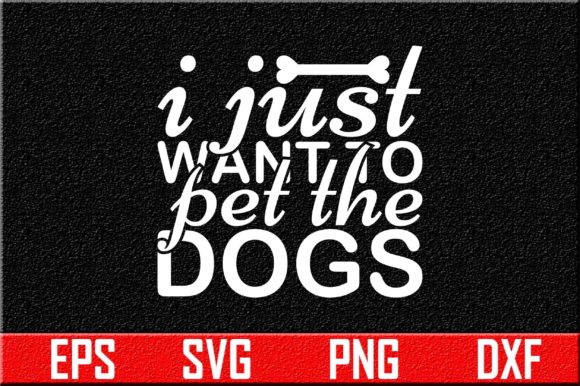
The moment you unzip the folder—SVG, PNG, DXF, EPS—you’re greeted with clean outlines and balanced negative space. No jagged edges, no over-rendered details. The lettering is friendly but legible at 2–3 inches wide; the dog silhouette (a soft, rounded profile, likely a golden retriever or mixed breed) sits just left of center, tail curled like a gentle question mark. It feels intentional—not rushed, not overdesigned. That matters. When you’re stitching for real clients, especially on items like nursery pillows or holiday tea towels, emotional resonance carries weight. This design doesn’t shout “dog lover”—it smiles.
Where It Shines: Real Projects, Real Fabric
I tested Dog SVG Design, I Just Want to Pet the D on three very different products: a medium-weight cotton canvas tote, a fleece-lined sweatshirt, and a 100% cotton baby swaddle. On the tote? Crisp satin stitch around the outline, soft fill stitch in the dog’s body—no puckering, even with lightweight tear-away stabilizer. On the sweatshirt? Slightly denser fill helped anchor the design against the nap; it held up beautifully after two washes. On the swaddle? I reduced stitch density by 15% and used a cutaway + topping combo—result? Delicate, breathable, and safe for sensitive skin.
This isn’t just a “cute dog quote” file. It’s a machine embroidery design built for versatility. It works as an embroidered patch (trim the outer edge cleanly), fits comfortably on a curved cap front (with slight digitizing tweaks), and scales well for both small hoop projects (like a child’s apron pocket) and larger applications (a kitchen towel border). As a custom apparel asset, it reads clearly from across a craft fair booth—and that’s rare.
Where to Pause—and Why
Not every fabric or use case is ideal. Avoid using Dog SVG Design, I Just Want to Pet the D on ultra-thin jersey or heavily textured terry cloth without testing first. The text portion—especially the lowercase “d” at the end—is compact. On stretchy fabric, that final curve can distort if stabilizer isn’t secure. Likewise, on dark fabric, double-check thread color contrast: a light gray or oatmeal thread may disappear unless you add a subtle underlay or switch to cream or pale yellow.
Also note: this isn’t an applique design. There’s no layered fabric guidance or placement markers included—so if you’re planning fused appliqué, treat the SVG as a template only. And while the file set includes EPS and DXF (great for laser cutting or vinyl prep), remember those formats don’t carry stitch data. For commercial embroidery, always confirm your digitized version matches the visual intent—especially stitch density in the dog’s ear and the spacing between “Pet” and “the.”
What It Adds to Your Craft Business
For Etsy sellers and small shop owners, Dog SVG Design, I Just Want to Pet the D is quietly strategic. It’s relatable but not generic—customers recognize themselves in it (“Yes, that’s me at the dog park”). That builds connection faster than a generic paw print. On personalized gifts—think embroidered baby blankets or wedding weekend totes—it adds warmth without overwhelming the item’s function. And because it’s clean and scalable, it integrates smoothly into brand-consistent collections: pair it with simple monograms or neutral-toned botanicals for a cohesive line.
From a handmade product standpoint, it elevates perceived value. Stitched well, it reads as intentional—not clip-art slapped on fabric. That supports pricing confidence. Buyers notice when lettering flows, when curves land softly, when the dog’s expression feels kind instead of cartoonish. That nuance builds customer trust and encourages repeat orders.
Practical Designer Notes You’ll Actually Use
- Always test first—on scrap fabric matching your final project’s weight and stretch.
- Check stitch density in the dog’s face and tail tip. Overly dense fills on small features can cause stiffness or thread breaks.
- Confirm hoop size compatibility before digitizing—some versions of this design may require a 4×4 or larger hoop depending on scaling.
- Review small details in black-and-white mockups—what reads well on screen may blur when stitched at 2 inches tall.
- Compare performance on light vs. dark backgrounds. Adjust thread colors accordingly—not just for contrast, but for mood.
- Use appropriate stabilizer: cutaway for knits, tear-away for stable wovens, topping for napped fabrics.
- Verify licensing terms before selling finished items or bundling the digital embroidery file with other design assets. The listing says it’s for Crafts and Graphics—but commercial resale rights aren’t implied unless stated.
A Final Thought for Makers
Dog SVG Design, I Just Want to Pet the D won’t win awards for technical complexity—but it doesn’t need to. Its strength is in restraint, readability, and emotional honesty. In a market flooded with overdesigned, over-licensed graphics, this one breathes. It works on a toddler’s onesie and a grandmother’s holiday pillow cover. It fits a craft business that values clarity over clutter, sincerity over saturation.
If you’re choosing designs for real projects—not just digital previews—this one earns its place in your working library. Not because it’s flashy, but because it stitches true, sells well, and makes people pause, smile, and say, “Yeah. Me too.”